Shilajit: what the research says and how to spot a real one
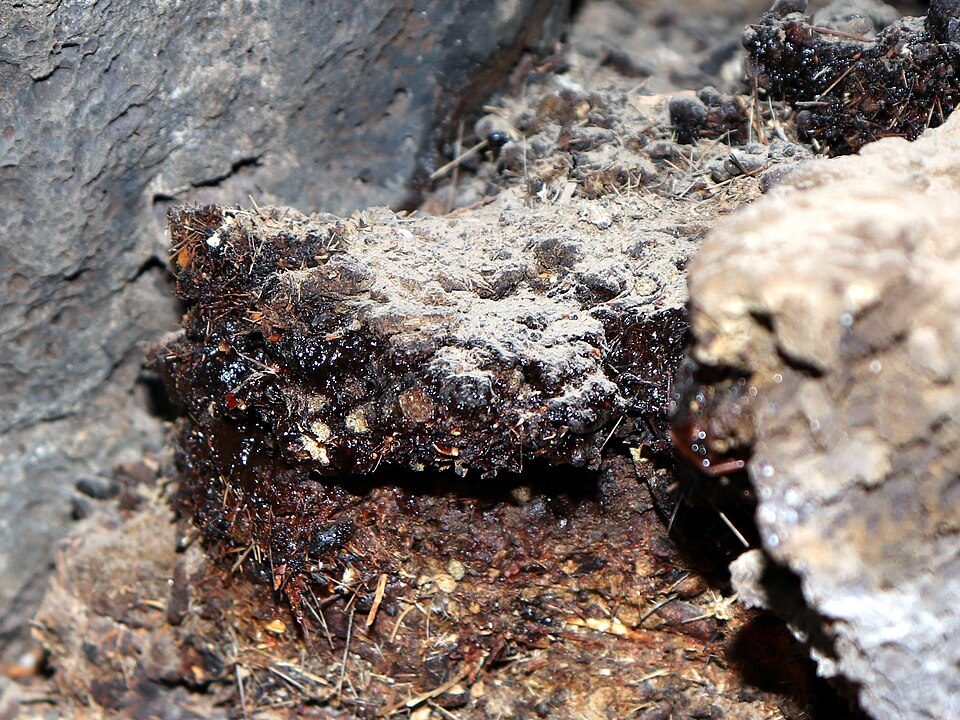
Shilajit is a dark, tar-like substance that seeps from rocks in high mountain ranges, including the Himalayas. It has been used in Ayurvedic practice for centuries and is rich in fulvic acid and minerals.
Early studies suggest it may support energy and general well-being, but the research is still limited and mostly small. It is not a medicine, and it should not replace advice from a doctor.
How to spot good resin: it should be dark brown to black, soft and slightly sticky at room temperature, and dissolve fully in warm water to give a clear, tea-coloured liquid. It should smell earthy, not burnt or chemical.
Be careful with very cheap resin sold in unmarked jars. Raw shilajit must be purified before use, because untreated material can contain heavy metals. Look for a batch number, a test report and a clear origin.
Use a pea-sized amount dissolved in warm water or milk, once a day. Avoid it if you are pregnant or have a medical condition unless your doctor agrees.